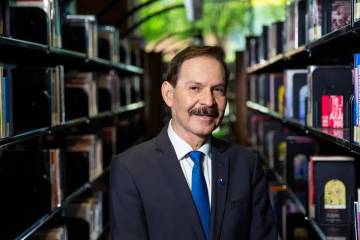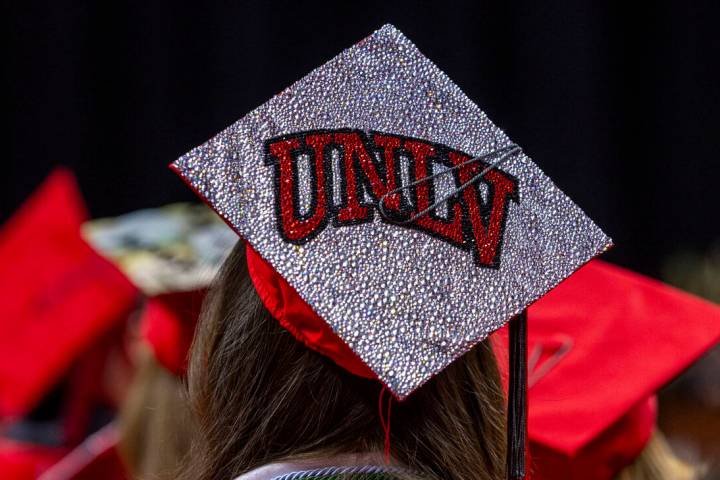
Yvette Machado-Tuinier’s speech at UNLV’s morning graduation has been criticized as antisemitic, but many in attendance cheered her words.




Yvette Machado-Tuinier’s speech at UNLV’s morning graduation has been criticized as antisemitic, but many in attendance cheered her words.
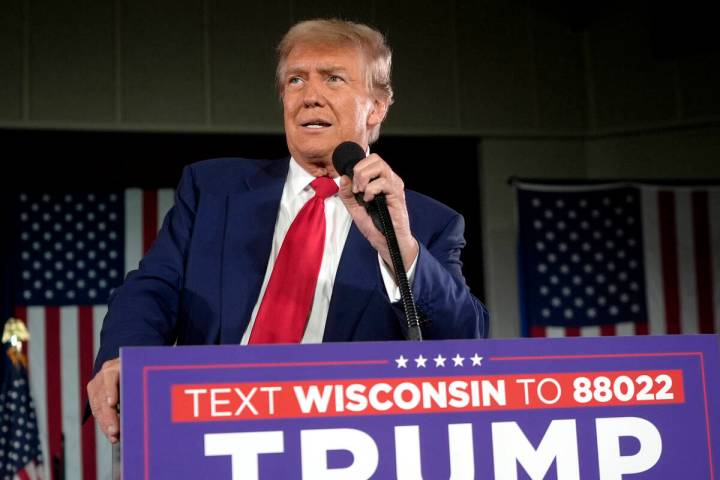
President Joe Biden and former President Donald Trump have agreed to participate in two presidential debates, the first coming on June 27 at CNN’s studios in Atlanta.

If Southwest Airlines is successful in its plan to fly daily nonstop flights to Reagan Washington National Airport, American Airlines would get new competition on the route.

The Vegas-born creamery has four locations across the valley and another in Southern California.
With more than 37,000 rooms in its Southern Nevada inventory, this company, which dominates the southern Las Vegas Strip, is also Nevada’s largest employer.

A key rule that gamblers hate may finally change and that’s good for Las Vegas, cruise lines, and regional casinos.
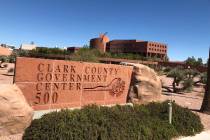
Crime, homelessness and balancing development with sustainability are among the biggest challenges facing Clark County and Commission District C, candidates say.
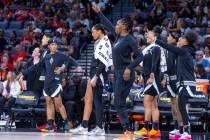
The LVCVA has yet to finalize its sponsorship deals with the Aces’ 12 players. But it’s already planning to celebrate once the contracts are signed.

Several hundred officers from various jurisdictions worked the event and provided traffic control along various routes.

One victim was pronounced deceased at the scene while another later died at an area hospital after arriving on his own.
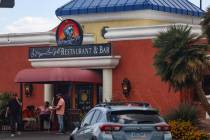
The Department of Labor says 33 workers at three La Mojarra Loca restaurant locations weren’t paid for overtime they worked.

Our pupils are rotten from all the eye candy. Our cute fuzzy boots totally need to be re-soled. And don’t even ask us about our hearing because we can’t hear you.

Find out how a bouncy tune — and countless renditions — became the city’s unofficial anthem.
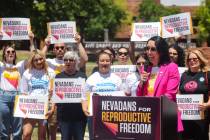
The coalition behind an initiative petition to codify abortion protections in the Nevada constitution said it collected more than 200,000 signatures to qualify for November.

On any given night, you can find something special at Lee’s Family Forum. Whether you are watching the future stars of the Vegas Golden Knights hit the ice with the Henderson Silver Knights, sitting front row to the world’s fastest football with the Vegas Knight Hawks, or watching some of the best volleyball players on […]





The four-hour event featured sessions on applying for federal student loans, college admission and strategies for completing resumes and searching for jobs.
Find out how a bouncy tune — and countless renditions — became the city’s unofficial anthem.

Raiders running back Alexander Mattison defeated two Denver Broncos players to win his portion of the bracket during a professional cornhole event Saturday in Las Vegas.

Though current student scholarships are safe, The Engelstad Foundation’s CEO has severed ties with the university over squabbles with administration.